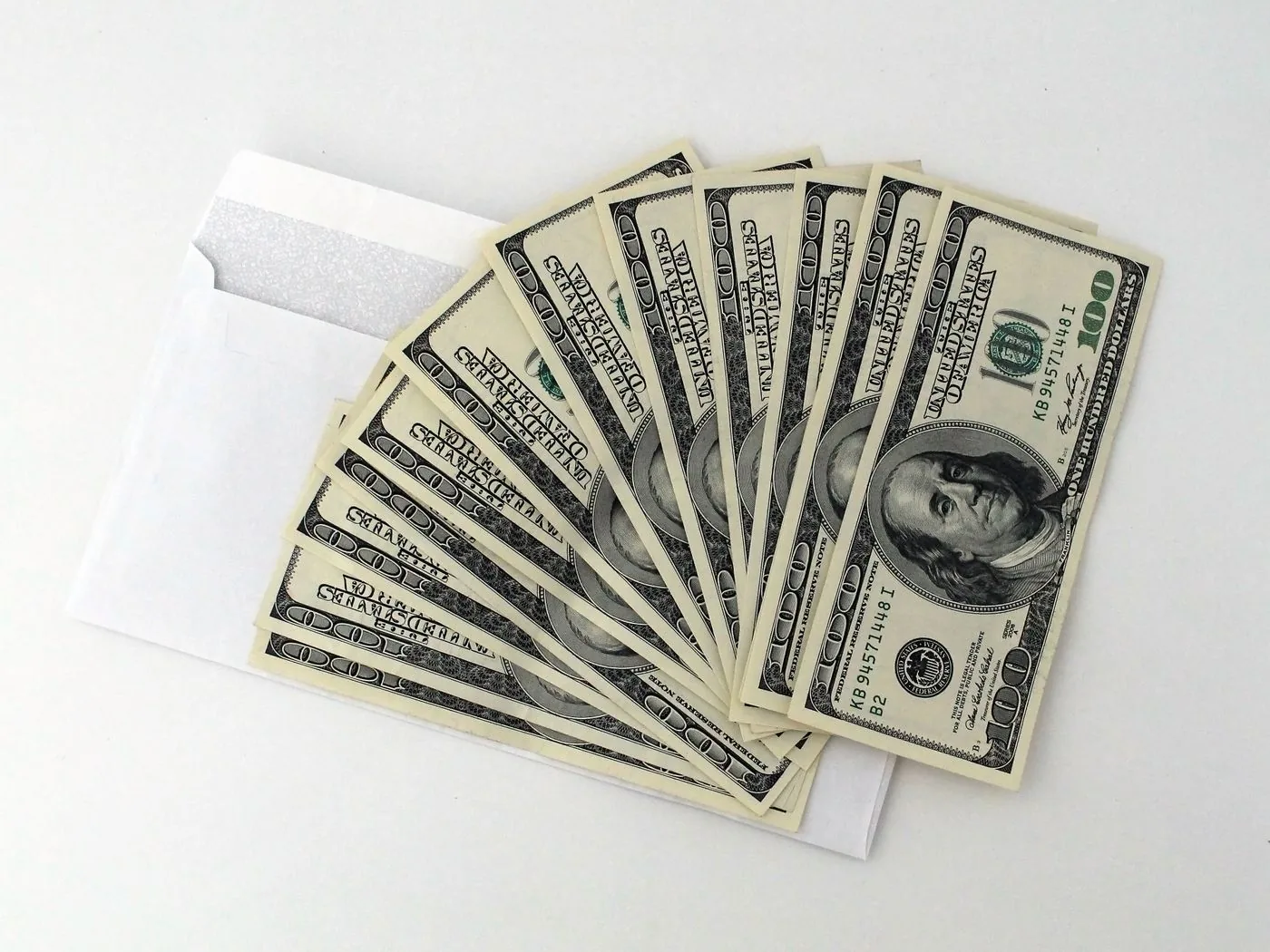
How does ACH actually move money between US bank accounts?
ACH is a batch messaging network. Banks send credit and debit files to an operator, which sorts them and settles by moving the banks' own balances.
ACH is a batch messaging network. Banks send credit and debit files to an operator, which sorts them and settles by moving the banks' own balances.

The same item can overdraw an account. Pay it: the ledger goes negative and the fee is overdraft. Return it: the fee, if any, is NSF.
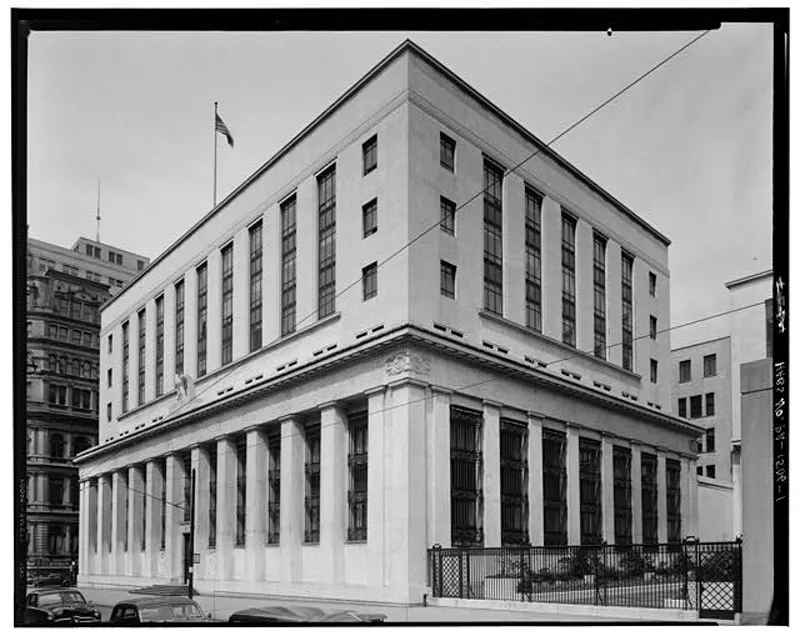
A domestic wire is usually one Fedwire credit, final when processed. ACH is a batch file that can settle same-day or later — and can still come back.
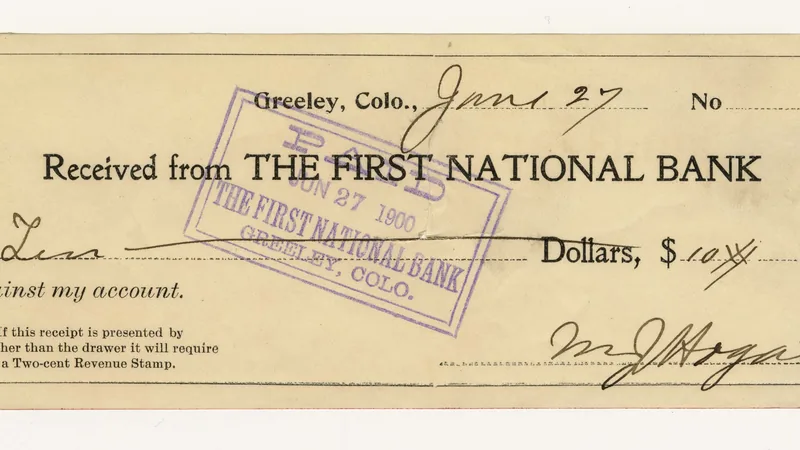
The nine digits identify the bank responsible for a payment, not a person's ledger. ACH, wires, and checks can all use that same address.
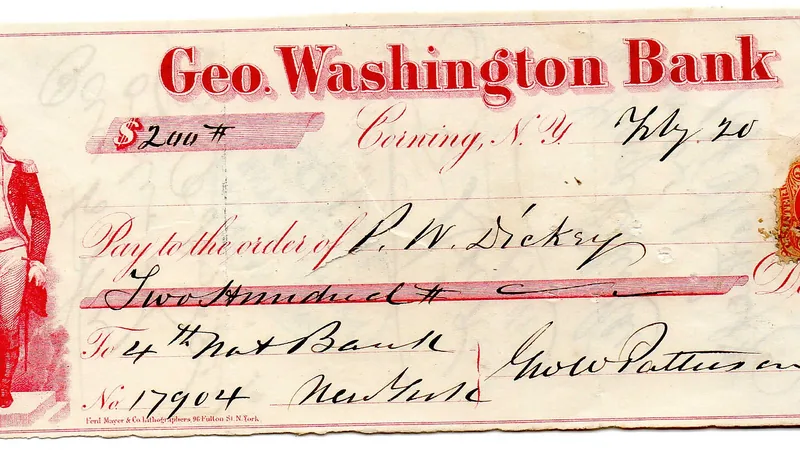
A hold delays availability, not the ledger credit. Regulation CC sets next-day and exception clocks. The app can show money you cannot spend yet.
ACH batches credits and debits on banking days. FedNow settles one instant credit 24/7, only between banks that have signed up.
ACH is a batch messaging network. Banks send credit and debit files to an operator, which sorts them and settles by moving the banks' own balances.