Mutual fund share settlement is the official transfer of the shares to the buyer and the cash to the seller. In the United States that handoff is usually one business day after the trade date — T+1 — not one day after you tap buy. The trade date is the day the fund prices the order at that day’s net asset value. The app can show the shares, or the cash from a sale, before that transfer is finished.

Follow one buy. A brokerage customer taps buy on a stock mutual fund Monday at 10:15 a.m. Eastern. A confirmation appears. Nothing has settled.
Monday 10:15 a.m.: the click is an order
You do not buy these shares from another investor on an exchange. You buy them from the fund, or through a broker, at the next calculated NAV plus any purchase fees. Submit the order at any hour of the business day and you still will not know the price until that next calculation. The April 29, 2025 Investor Bulletin is blunt about that delay.
The order waits for the fund’s cutoff. Many funds compute per-share NAV each business day at 4 p.m. Eastern, when the New York Stock Exchange typically closes. An order that arrives in time is Monday’s trade. An order that misses the cutoff is Tuesday’s. The 10:15 tap, if it clears the cutoff, is still only a place in line.

After the close: Monday gets a price
Per-share NAV is the market value of the fund’s assets, minus expenses and other liabilities, divided by the shares outstanding. That number is the Monday trade. You now have a claim on the fund’s portfolio — the same stack as an index fund — not stock certificates with your name on them. The tap did not execute at 10:15. It executed when the fund named the price.
T+1 does not start at 10:15. It starts on that trade date.

Tuesday: T+1 is the official handoff
On February 15, 2023 the SEC adopted amendments that shortened the standard settlement cycle for most broker-dealer transactions from T+2 to T+1. The compliance date was May 28, 2024. Settlement, in the March 27, 2024 Investor Bulletin, is the official transfer of securities to the buyer’s account and cash to the seller’s. Under T+1, a Monday sale of a covered security settles Tuesday. A Monday buy is the same clock.
The bulletin applies that cycle to the same list T+2 covered: stocks, bonds, municipal securities, exchange-traded funds, certain mutual funds, and limited partnerships that trade on an exchange. Parties can still agree, at the time of the trade, to a different settlement date. The prospectus is the fund’s own clock. Funds are required to pay redemptions within seven calendar days; some pay in one or two business days.
For this buy, Monday is T. Tuesday is when the cash is supposed to be paid and the shares delivered. If the shares sit at the broker, the broker delivers them. You may have to have the purchase money ready one business day earlier than under the old T+2 cycle. A Friday trade date settles Monday, unless Monday is a holiday. Weekends are not business days.
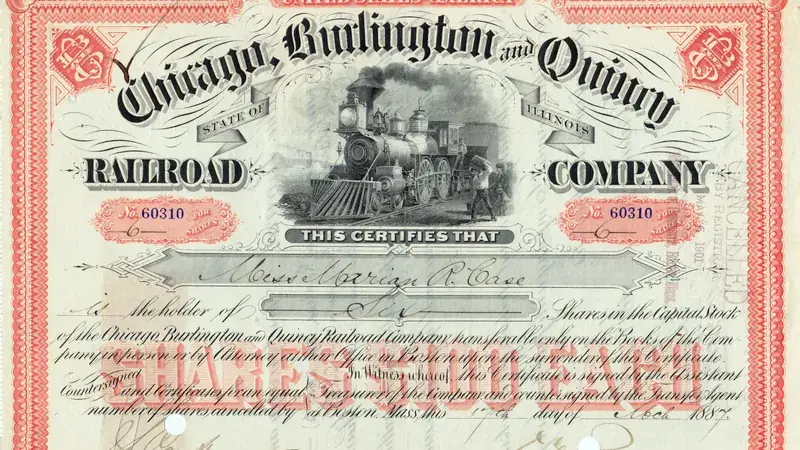
The paper certificate is the old picture of that handoff. The modern one is a book entry. The delay is still a delay.
The app can look finished Monday night
The broker’s screen is not the official transfer. After Monday’s NAV is posted, the account can show the shares, a pending line, or a cash debit. That is the firm’s own ledger catching up to a priced order. Settlement is the market-wide delivery the bulletin is talking about.
The split is the same family as a deposit hold: a posted number is not the same as money you can take out. “Available to trade” can appear before “available to withdraw.” Sale proceeds are often reusable inside the brokerage before they can ride an ACH to a bank. The bulletin says you may need to pay earlier. It does not say the app has to wait to draw the position.

A sale is the same clock, running the other way
Tap sell Monday morning. The next NAV is still the trade. Under T+1 the official cash transfer is Tuesday. The app may show a cash credit Monday night. That credit is not collected funds in a checking account. It is the broker previewing a settlement that has not happened yet.
A money market fund is still a mutual fund. Its cutoff and settlement line live in its prospectus, not in the buy button.
Confirm the fund’s cutoff, the settlement cycle on the confirmation, and the broker’s rule for withdrawing sale proceeds. This is a description of the mechanism, not a recommendation to buy or sell any fund.