A US domestic wire and an ACH credit can carry the same dollars to the same account. They are not the same rail. The wire is usually one Fedwire message: a single credit, processed as it arrives, final and irrevocable once a Reserve Bank accepts it. ACH is a file of credits and debits that waits for an operator window. Same-day ACH is still that file, on a faster clock. The nine-digit routing number shows up on both because both have to name a bank before they can touch a ledger.
Same dollars, two pipes
A closing table is a useful picture. The buyer has to deliver funds. The form asks for a routing number and an account number. Those two fields do not pick the rail. The sending bank’s message does.
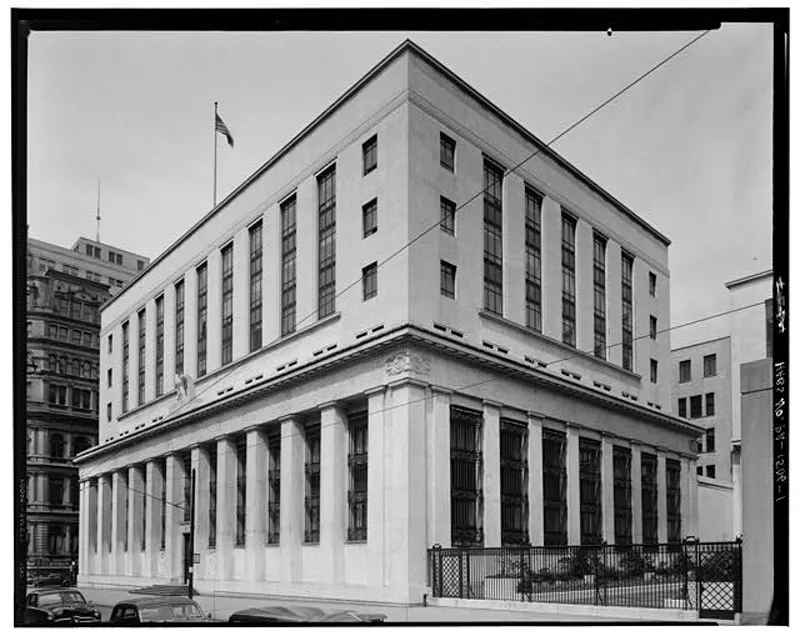
If the bank sends a Fedwire, it is instructing a Federal Reserve Bank to debit the sending bank’s master account and credit the receiving bank’s master account. That is a credit transfer. Each payment order is processed on its own when it arrives. The Board’s description is blunt: immediate, final, and irrevocable once processed. Eligible participants are depository institutions and certain other institutions that hold a Reserve Bank account. A household does not have a Fedwire login.
If the bank sends an ACH credit instead, the instruction rides a batch. The two national operators are the Reserve Banks’ FedACH service and the Electronic Payments Network, which The Clearing House runs. Nacha writes the operating rules. It does not operate Fedwire. The Clearing House also runs CHIPS, a large-value wire that is not ACH. A consumer “wire” at a retail bank is usually Fedwire.
The routing number is the address on both. A bank may publish one number for FedACH and another for Fedwire. The Federal Reserve Banks keep an E-Payments Routing Directory with a separate search for each service. Same nine-digit form. Not the same listing.

Same-day is not the same as settled now
Same-day ACH can settle on the banking day it is sent if it meets the operator deadline and stays under the per-payment cap of one million dollars (as of August 24, 2026). Ordinary items settle the next banking day. Settlement still needs the Federal Reserve’s settlement service to be open. That service is closed on weekends, on federal holidays, and overnight on business days from 6:30 p.m. to 7:30 a.m. Eastern.
Fedwire is not that product with the cap removed. It runs twenty-two hours on each funds-transfer business day: 9:00 p.m. Eastern on the preceding calendar day until 7:00 p.m. The deadline for a customer transfer — a payment for a bank’s customer, not a bank-to-bank position — is 6:45 p.m. Eastern. Saturday and Sunday are closed. A Friday evening wire that misses the cutoff is Monday’s problem.
FedNow is a third rail: one instant credit, every day of the year, only between institutions that have signed up. Naming it does not make a wire run on Saturday, and it does not make an ACH item final.
They fail in opposite directions
This is the part the labels hide.
An ACH item is built to come back. A debit can return for insufficient funds, a closed account, or a number that does not match. Many of those administrative returns have to be made available to the originating bank by the opening of business on the second banking day after settlement. An unauthorized debit to a consumer account has a longer window: the receiving bank generally has until the banking day after the sixtieth calendar day after settlement to make the return available, with a written statement from the consumer. ACH also pulls. A biller with an authorization can originate a debit. You can revoke that authorization. You can place a stop-payment. Neither step is a feature of Fedwire.
A processed Fedwire does not unwind. If the name is wrong and the account number is right, the receiving bank has already been credited in central-bank money. A later “return” is a new payment, if anyone sends one. There is no sixty-day unauthorized-debit window on that rail because Fedwire is not a debit rail. The sending customer asked the sending bank to push. The Reserve Banks did. The certainty is the product. It is also why a misdirected wire is a harder mess than a bounced ACH.
The app button can say “transfer” for both. The failure modes do not match. Confirm the current cutoff, the dollar cap, and which rail the institution actually used with the deposit agreement — and with the operator that settled it.