A US routing number is nine digits that name a bank, not an account. When a rent payment, a paycheck, or a paper check starts moving, those digits tell the network which institution is responsible to pay or to receive credit. The account number is a second field. The bank assigns it. It is not encoded in the nine.
Follow one payment. A tenant is sending August rent. The form asks for two numbers. The first is nine digits long. Those digits do not name the tenant, the landlord, or either person’s balance. They name the landlord’s bank. Until the instruction has found an institution, it cannot find a ledger.
The nine digits leave with the instruction
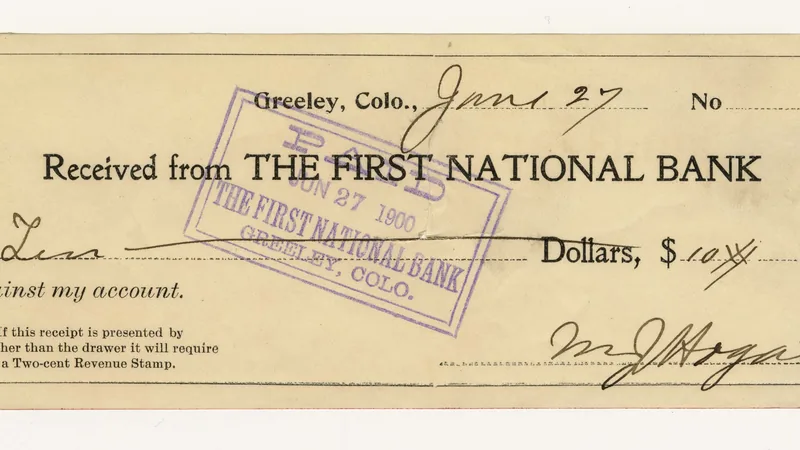
On a paper check, the routing number is the left-most group on the MICR line, then the account number, then the check number. The American Bankers Association devised that identifier in 1910. The industry adopted it in 1911. The Association’s current policy still states the primary purpose in one sentence: identify the bank that is responsible to pay or give credit, or that is entitled to receive payment or credit, for a check or an electronic transaction.
The rent is an ACH credit. The originating bank puts the same nine digits in a batch file. A Fedwire would put them in a funds-transfer message. The rail changes. The first question does not: which bank?
The first four digits are a Federal Reserve routing symbol
The nine digits are three components: a four-digit Federal Reserve routing symbol, a four-digit ABA institution identifier, and a one-digit check digit.
The first two digits of the symbol are allocated by series. Ordinary bank payments — this rent — sit in 01 through 12, the twelve Federal Reserve districts. 00 is reserved for U.S. government checks and drafts, except federal banks. 21 through 32 used to mark thrifts; new assignments there stopped in 1985. 61 through 72 are Electronic Transaction Identifiers for nonbank processors — they do not name the bank that must settle, and they may not appear on checks. 80 is traveler’s checks, which cannot ride a wire or an ACH.
The third and fourth digits once told a sorter which Reserve office would handle the paper. Since early 2010 the Reserve Banks have processed paper checks at one location nationwide, down from 45 in 2003. The symbol still travels with the number. It is no longer a map of twelve check shops.

The next four name the institution
Digits five through eight are the ABA institution identifier. They pick the chartered bank — or one of the numbers that bank uses. A bank eligible for a Federal Reserve master account is entitled to a principal-office number and, under the policy, as many as nine more. Assignment does not expand the bank’s charter powers, and the number is not the bank’s property. It identifies the institution responsible for payment, independent of which branch took the deposit.
The rent payment has now been addressed to a bank. Still not to a person.

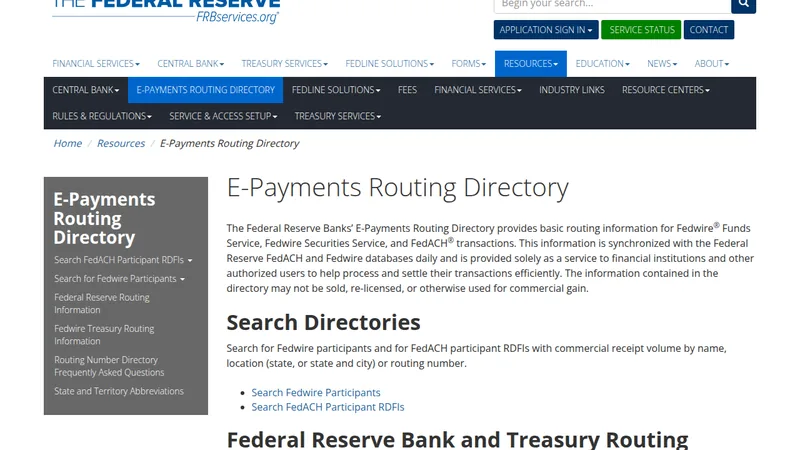
A bank can publish different regular numbers for different rails. The Federal Reserve Banks keep an E-Payments Routing Directory, synchronized daily with the FedACH and Fedwire databases, so a sending institution can look up which number is live for which service. The landlord’s bank may use one number for ACH credits and another for wires. Both are still bank addresses. Neither is an account.
The ninth digit is a checksum
The last digit is a check digit. Readers and payment forms test it so a transposed pair is less likely to send the file to the wrong institution. If the test fails, the item is rejected for repair.
Only then does the receiving bank look at the account number — a field it assigned, of whatever length it chose. Two customers at the same bank share a routing number and do not share a ledger. Two customers at different banks can have look-alike account numbers. The routing number is what keeps those ledgers from colliding.
Three rails, one kind of address
The same nine-digit form can ride a check, an ACH file, and a Fedwire because each rail has to address a bank before it can touch a ledger. The clocks are different. ACH is a batch network that settles on banking days. Fedwire is a real-time gross settlement service — immediate and final once processed — for participants that hold Reserve Bank accounts. FedNow is a later instant credit service. It also addresses participating institutions, not household accounts. Naming the routing number does not pick the rail. The originating bank’s message does.

Confirm the current number with the institution that holds the account. Banks merge, retire numbers, and keep separate numbers for separate services. This is a description of the address, not instructions for sending a payment.