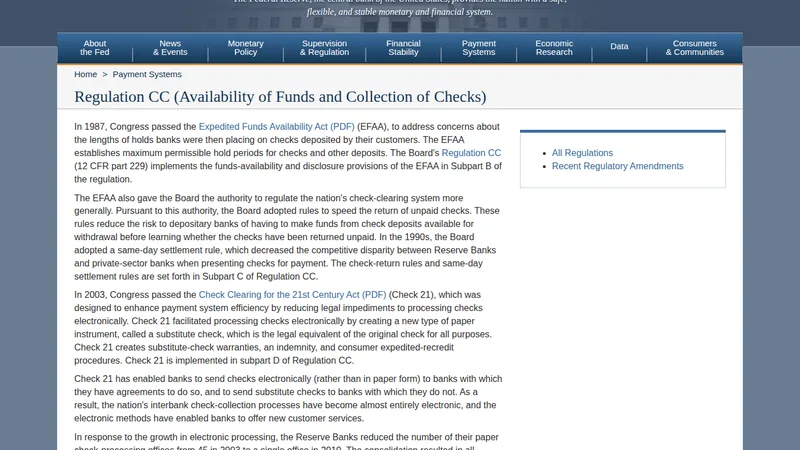
A deposit hold is a delay in availability, not a refusal to record the credit. The bank can post that a check or a transfer arrived and still refuse to let you spend it. Regulation CC — the Board’s rule that implements the Expedited Funds Availability Act — sets the longest that delay can last for most consumer deposits. The number in the app can include the money. “Available” is a different decision.
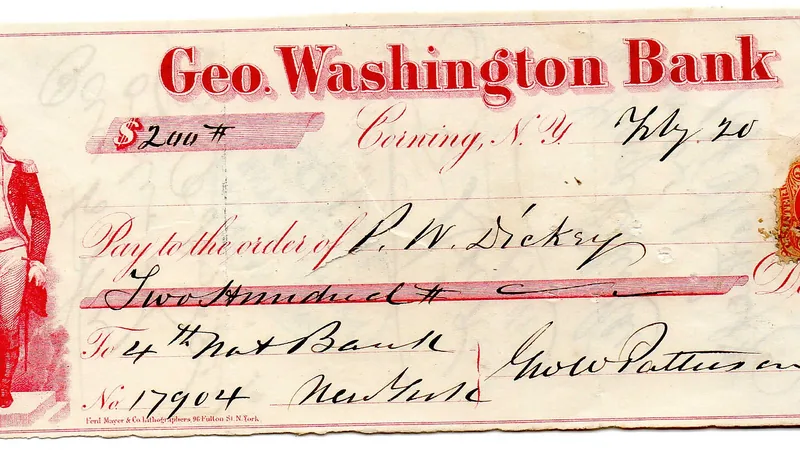
The hold is a withdrawal rule, not a photograph of collection. The paying bank still has to decide whether the item is good. The depositary bank has to decide what it will let you take out while that question is open. Those clocks are not the same.
Next-day is a category, not same-day cash
Regulation CC counts business days after the banking day of deposit. A business day is Monday through Friday, excluding federal holidays. A banking day is the part of that day when the bank is open for substantially all of its functions, up to its cutoff hour — 2 p.m. or later at a branch, noon at an ATM. A Saturday mobile deposit, or a Tuesday envelope after cutoff, starts the clock on the next banking day.
Some deposits are next-day items. Cash handed to an employee is available no later than the next business day. An electronic payment — a wire or an ACH credit — is available no later than the next business day after the bank has received both finally collected funds and the account and amount to be credited. ACH is a batch rail, so “received” is a settlement event, not an app preview. Treasury checks deposited to the payee, on-us checks in the same state or check-processing region, and certain official checks deposited in person to the payee also sit on that list.
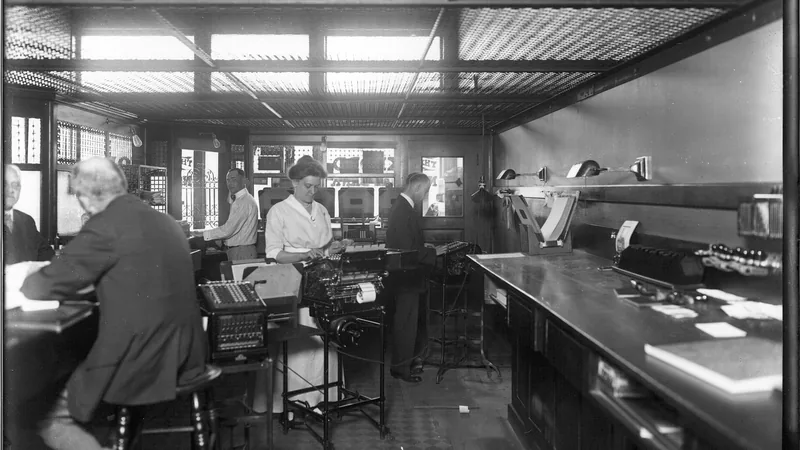
Ordinary checks do not. After the Reserve Banks consolidated paper processing to a single office in 2010, Regulation CC treats checks as local. The general clock is the second business day. The first $275 of those other check deposits, as of August 22, 2026, after the July 1, 2025 adjustment, still has to be available the next business day. A bank may release more, and sooner. The rule is a ceiling on the hold.
A cashier’s check photographed in a mobile app is often not “in person to an employee.” Several next-day categories require a teller. A deposit at another bank’s ATM can wait until the fifth business day.
Exception holds are a longer, named clock
The second-day schedule does not apply, or does not apply in full, when an exception is invoked. A new account — generally the first 30 calendar days — still gets next-day cash and electronic payments, and the first $6,725 of certain official checks (as of August 22, 2026). It does not get the ordinary-check schedule. Large deposits can be delayed only for the amount over $6,725. Redeposited unpaid checks, repeated overdrafts, reasonable cause to doubt collectibility, and emergency conditions are the other named cases.
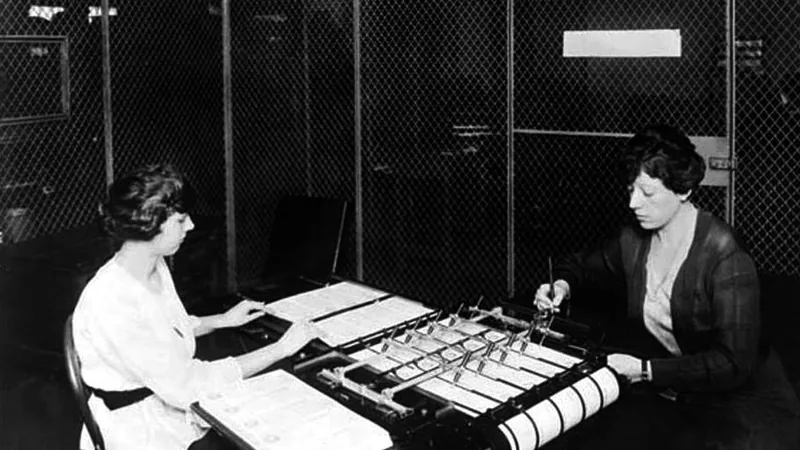
“Reasonable period” is the extension. The regulation treats one extra business day for an on-us check and five extra business days for other local checks as reasonable. Longer is allowed if the bank can show it. When the bank uses an exception, it generally has to send a written notice: which account, which deposit, how much is delayed, why, and when the funds will be available.
The hold is still not a verdict that the check is bad. It is a longer window in which the depositary bank does not have to treat the credit as spendable.
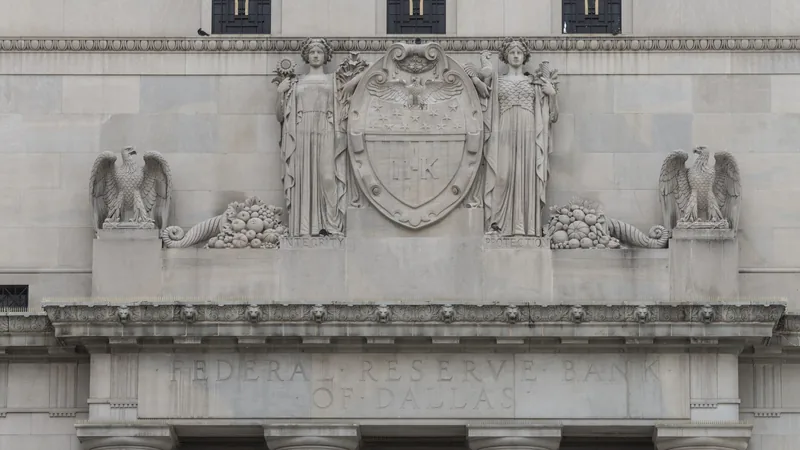
The number in the app is two ledgers
“Current” or “posted” can include the deposited item. “Available” is what the bank will let you spend after holds. The two numbers can diverge for a day or a week without either one being a glitch.

Availability is also not finality. A check can be returned unpaid after the hold lifts. Congress wrote the Expedited Funds Availability Act because collection used to be slower than customers could withdraw. Check 21 later let banks send images instead of paper. Faster presentment reduced the bank’s risk. It did not turn a posted credit into collected funds.
FedNow is a different rail. An instant credit that has settled between banks is not waiting on a check-return window. An ACH credit is. The button’s label does not change the clock.

Confirm the current dollar amounts and the account’s own availability policy with the deposit agreement and Regulation CC. The thresholds adjust every five years.